Our production
Crafted by nature. Perfected by us.
Every step of our production process is meticulously monitored, from the first spring pruning to the final quality check before shipment.
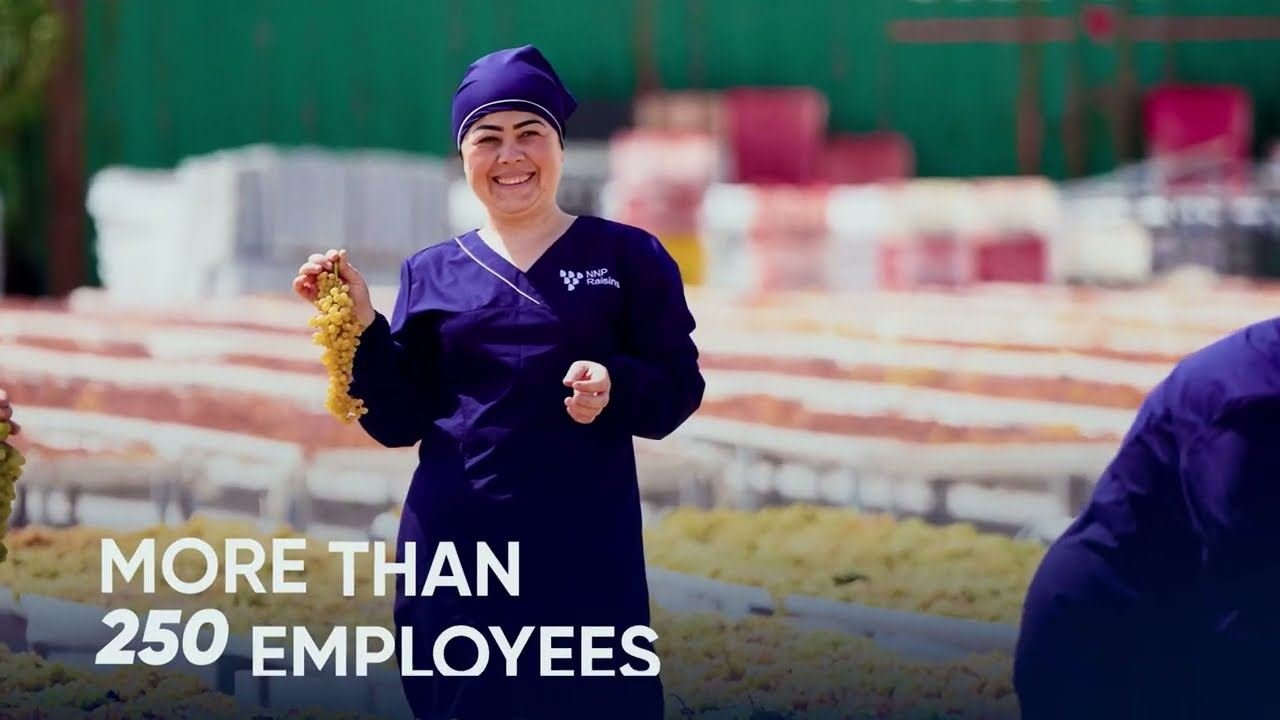
Production process
Eight steps to perfection.
Our production cycle follows the natural rhythm of the seasons, each stage carefully executed to preserve the quality, taste and nutritional value of every raisin.
-
01
Spring
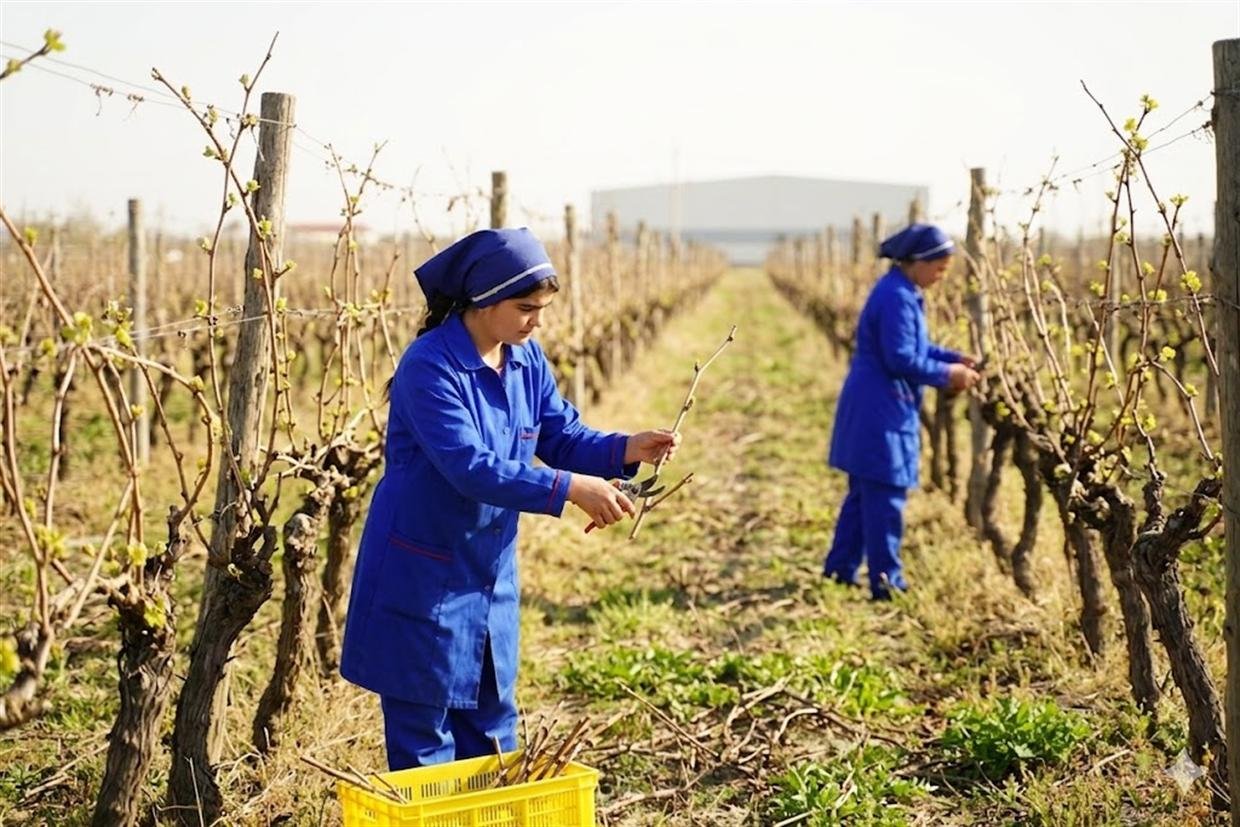
Dry pruning of vines
Each spring, our agronomists carefully prune the vines to remove weak and withered shoots, ensuring the plant's energy is directed toward producing high-quality grape clusters.
- Removes weak and withered shoots from the vine
- Performed by our team of 250+ trained specialists
- Applied across all 120 hectares of private vineyards
-
02
June
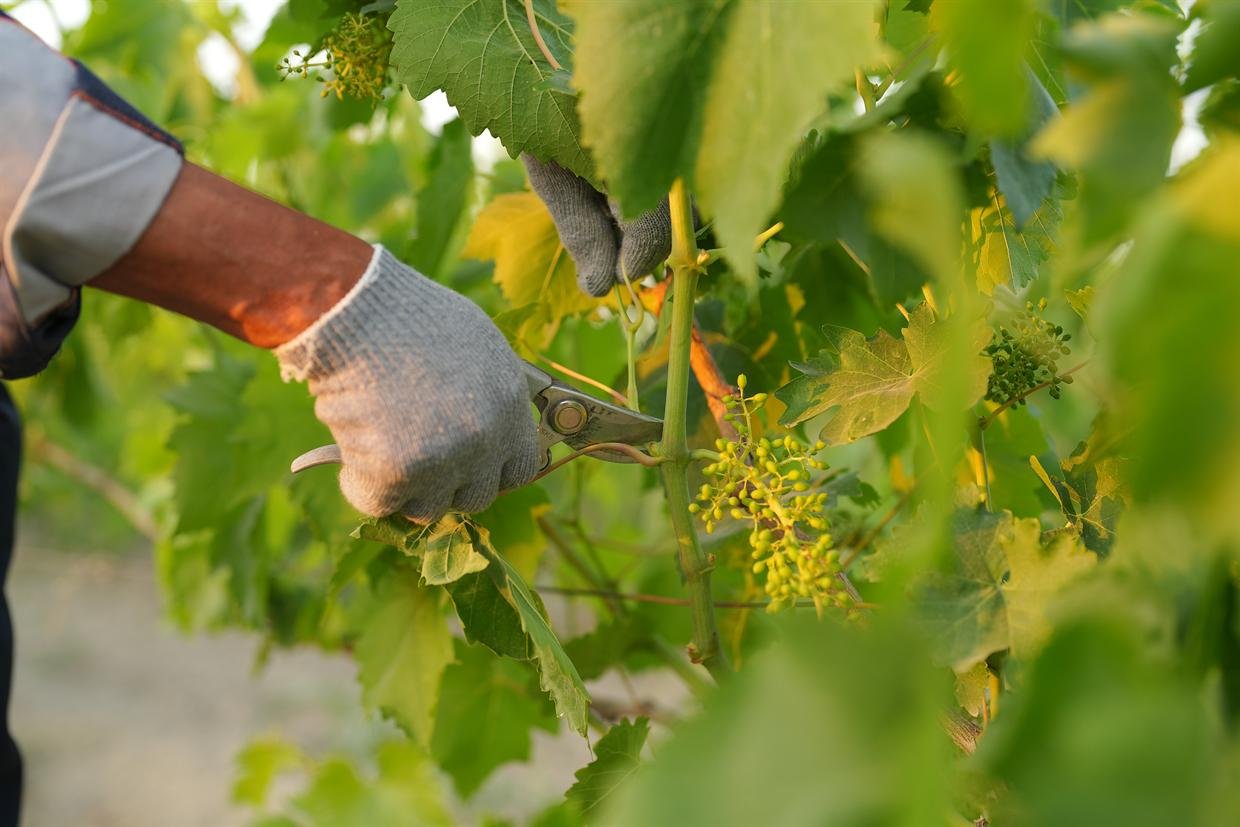
Leaf removal
In June, excess leaves are carefully removed from the vines to maximise direct sun exposure to the grape clusters, a critical step for developing sugar levels and even ripening.
- Maximises sunlight penetration to grape clusters
- Improves air circulation to reduce disease risk
- Enhances colour development and sugar concentration
-
03
August
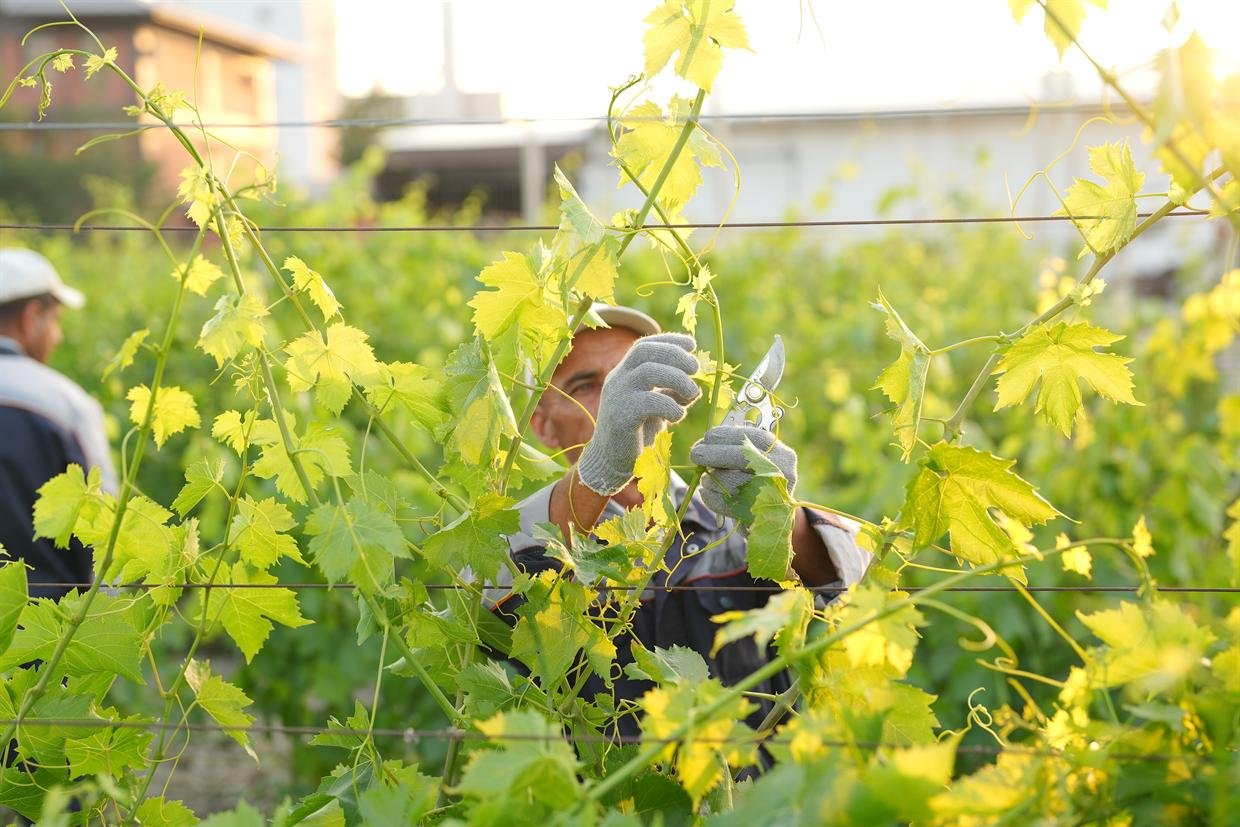
Vine tip trimming
In August, the vine tips are trimmed, redirecting the plant's energy from shoot growth to berry development, allowing the grapes to grow larger, fuller and sweeter.
- Redirects plant energy to berry enlargement
- Results in larger, plumper grape clusters
- Improves the final raisin caliber and weight
-
04
Late summer
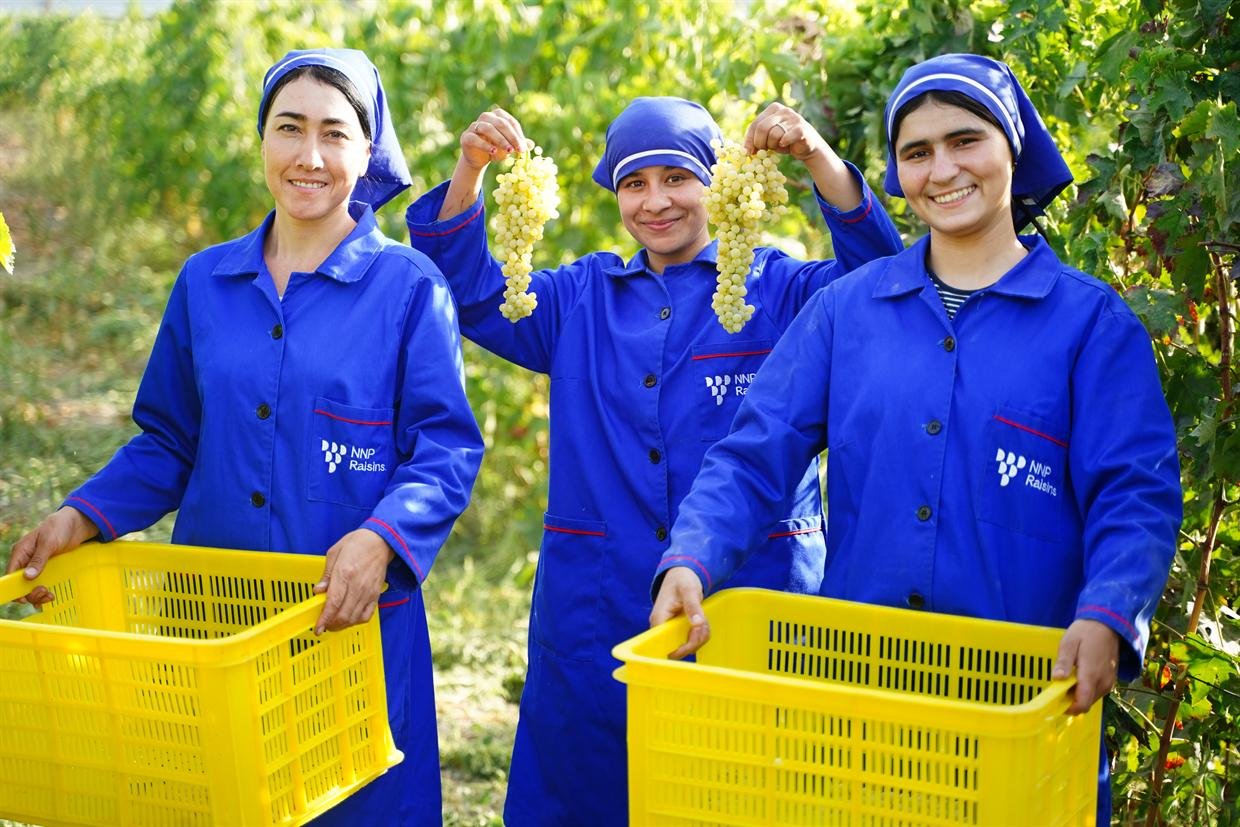
Manual harvesting
When the Sultana variety reaches its minimum glucose level, no earlier than August, harvesting begins by hand. Each bunch is carefully picked to prevent damage and preserve quality.
- 100% hand-harvested to prevent damage
- Begins only when minimum glucose levels are reached
- Sultana variety: available from August onwards
-
05
5 to 7 days
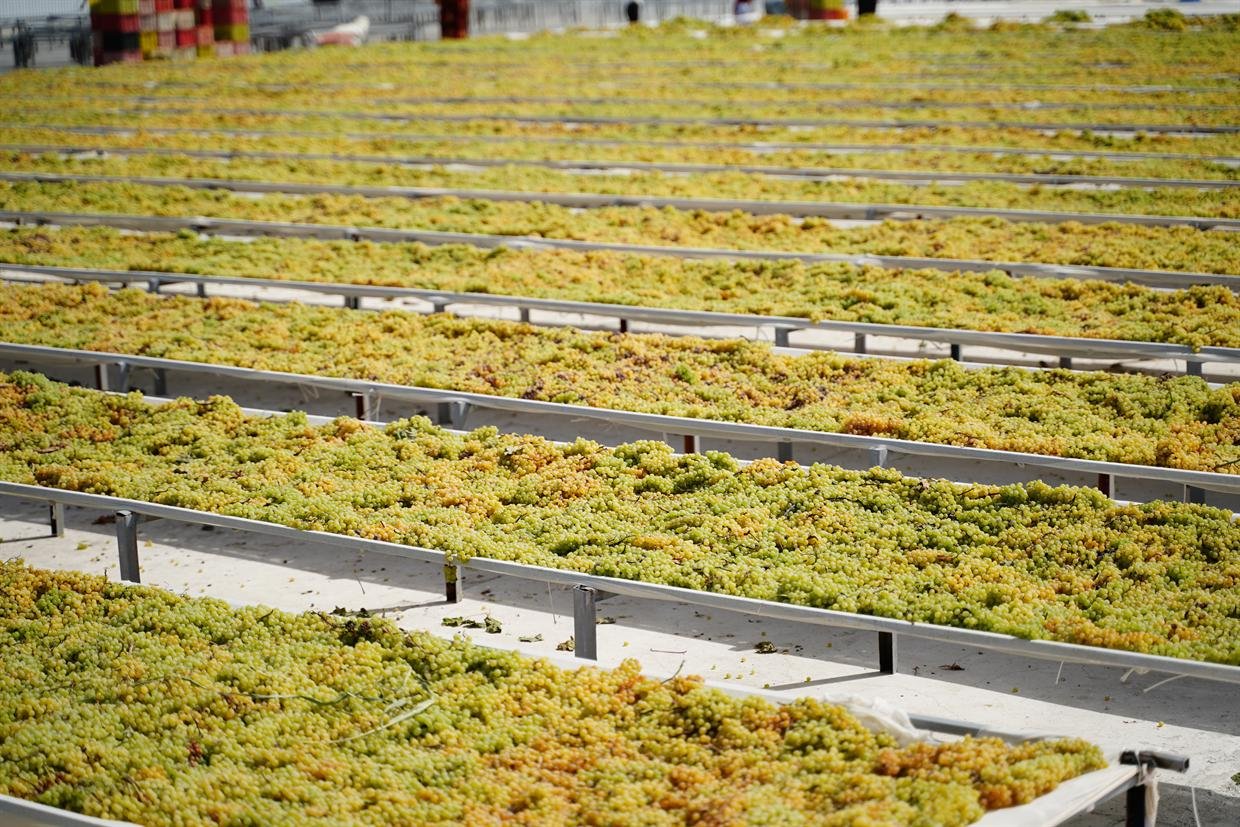
Natural sun-drying
After harvesting, grapes are dried naturally under the open sky on specially designed trays elevated 35 to 40 cm above the ground. This ensures optimal ventilation, even drying and maximum flavour development, without any artificial drying equipment.
- Trays elevated 35 to 40 cm above ground for airflow
- Each bunch laid in a single layer to prevent pressing
- Drying lasts 5 to 7 days depending on temperature
- No artificial chambers or drying equipment used
-
06
Processing
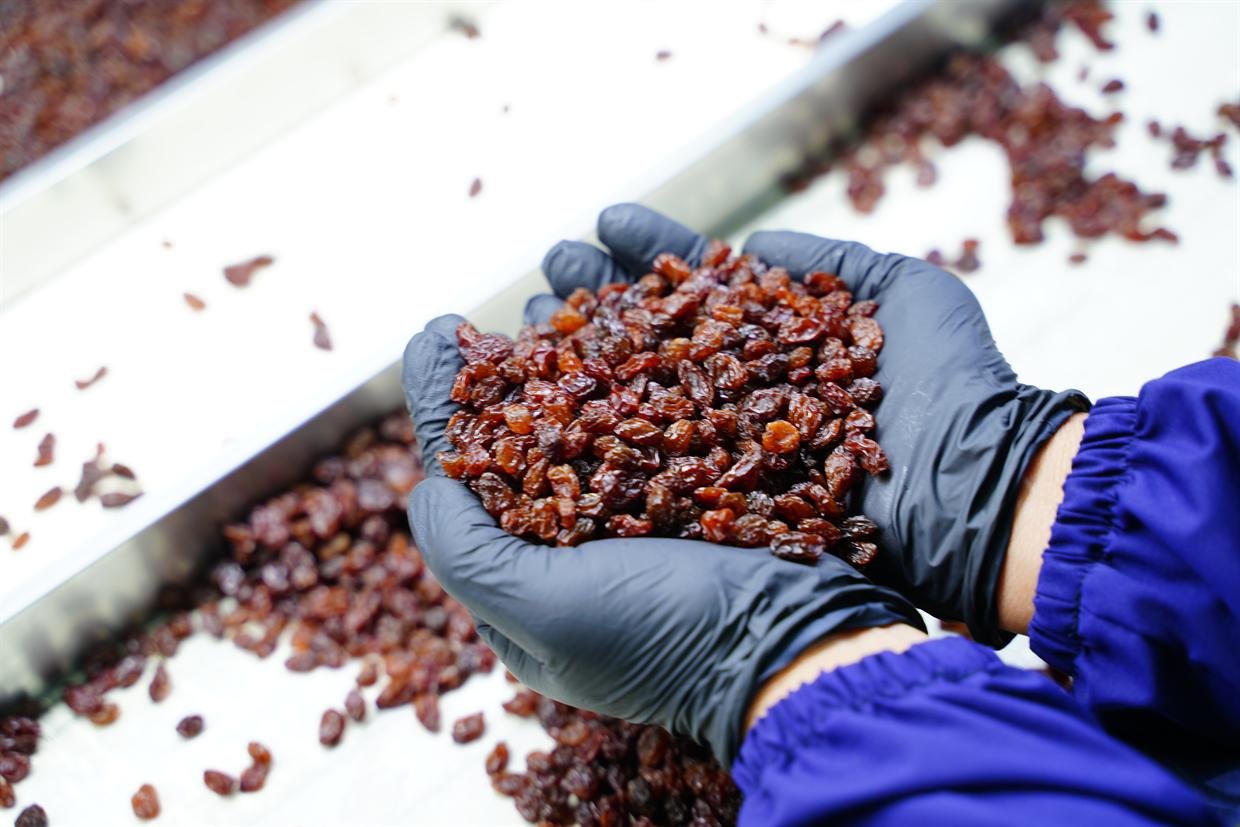
Four-stage cleaning and sorting
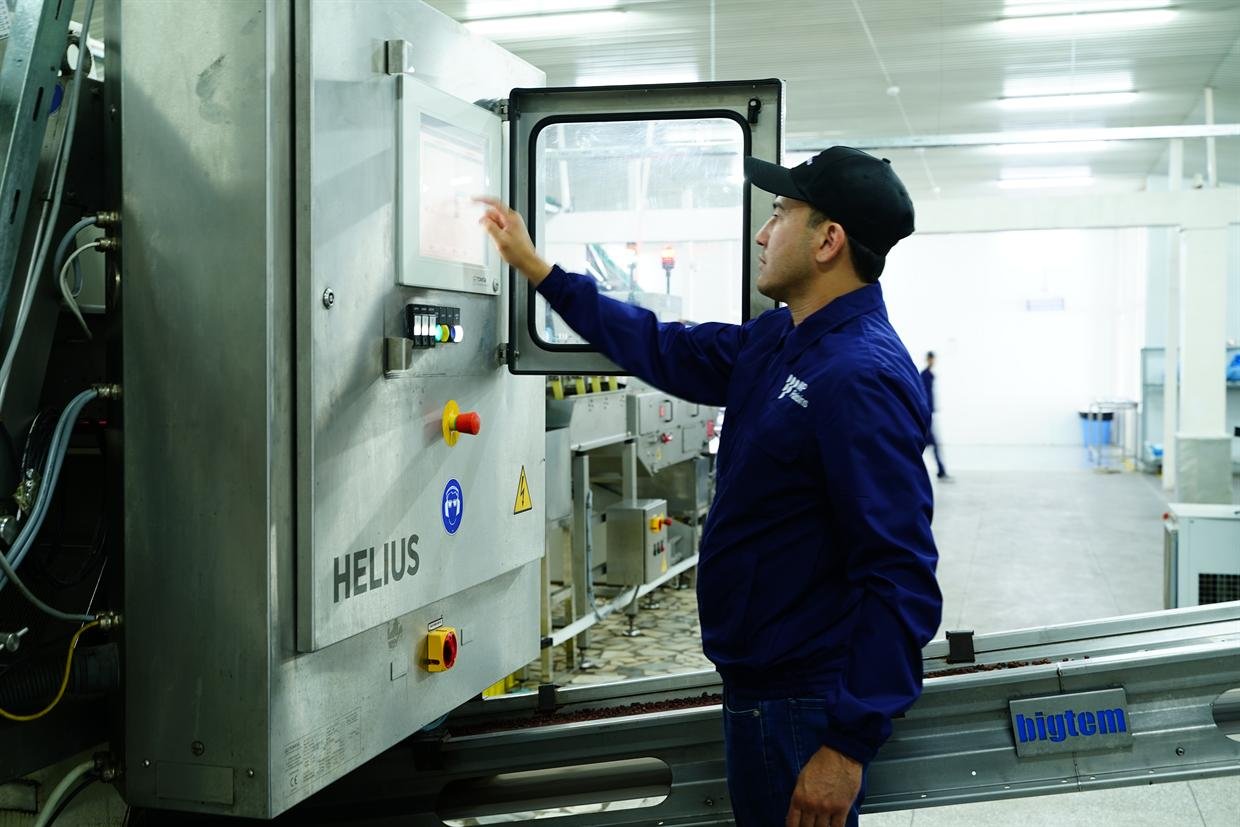
After drying, raisins undergo our rigorous four-stage cleaning process using world-leading technology from Tomra, Bigtem and VISYS, plus a dedicated X-ray sorter and metal detector.
- Stage 1: separation from stems and leaves
- Stage 2: vacuum separation and loosening
- Stage 3: washing and vibrating table cleaning
- Stage 4: laser-optical and X-ray sorting, plus manual inspection
-
07
Quality control
Laboratory testing
Before production begins, raw materials are analysed in European laboratories. Every finished batch then undergoes additional testing to verify moisture levels and full compliance with international quality standards.
- Raw material analysis in European laboratories
- Moisture level verification for every batch
- Compliance check against FSSC 22000 standards
- Harmful chemical element monitoring
-
08
Export ready
Packaging and shipment
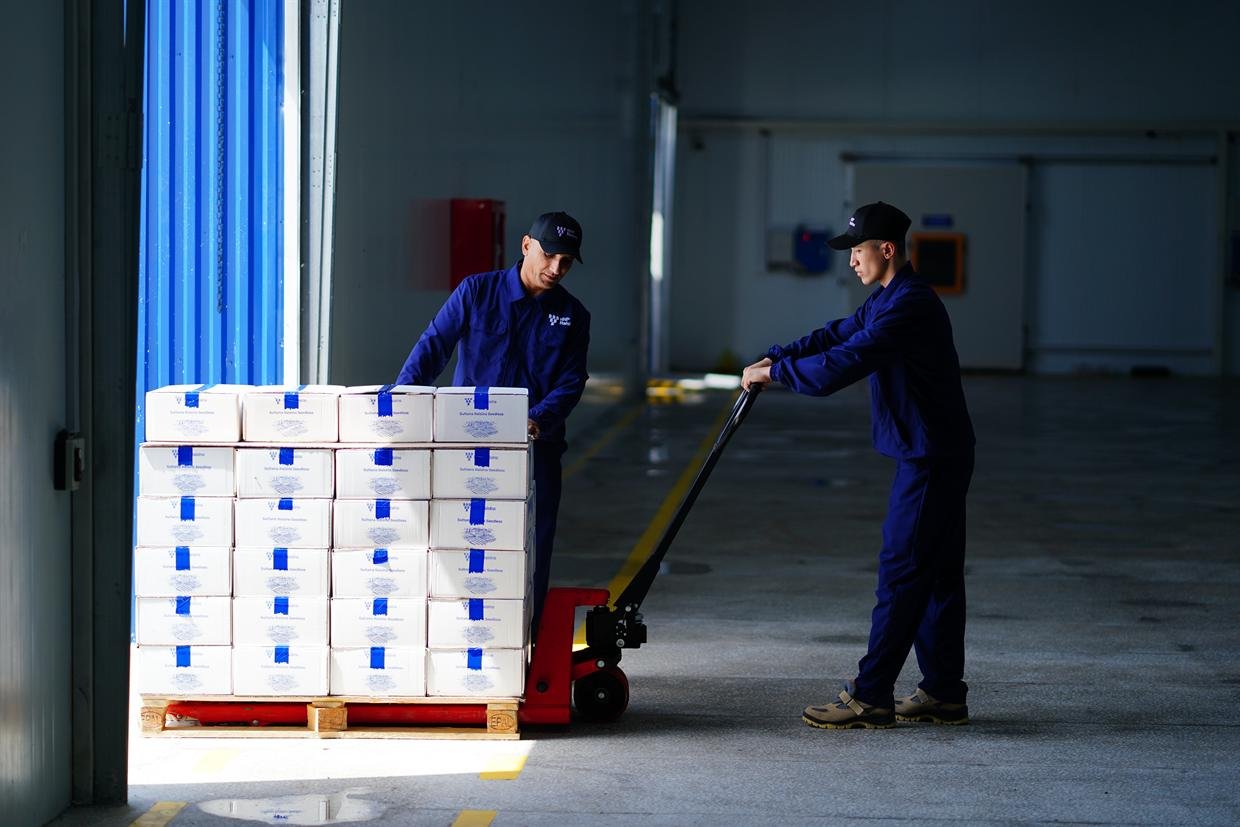
Certified raisins are packed into branded cardboard boxes with food-grade polyethylene liners, in 10 kg or 12.5 kg formats, and shipped by sea or road container to buyers worldwide.
- Packed in 10 kg or 12.5 kg branded boxes
- Food-grade polyethylene liner included
- Delivered by sea or car container globally
- 12-month shelf life from date of production
Equipment
Six machines on the line.
Our production facility is equipped with machinery from global industry leaders, allowing us to achieve the precision, speed and quality that international buyers demand.
Tomra
Laser sorter
Advanced laser-optical sorting technology that detects and removes foreign matter by colour, size and structure with exceptional precision.
VISYS
Second laser sorter
A second laser sorting unit providing double-layer protection against contamination, ensuring consistently clean, premium-grade output.
Industrial grade
X-ray sorter
Dedicated X-ray inspection that detects dense foreign bodies, including stone, glass and metal, invisible to optical methods.
Industrial grade
Metal detector
High-sensitivity metal detection providing a final safety check before packaging, ensuring zero metal contamination in every batch.
Processing line
Vacuum separator
Vacuum system that separates raisins after drying, removes lightweight foreign matter and prepares them for sorting.
Vibrating tables
Washing system
Multi-stage washing and vibrating perforated system for thorough cleaning, removing stems and surface impurities before final sorting.
Quality control
Zero tolerance for compromise.
Raw material analysis
Every incoming grape batch is analysed in European laboratories before production begins.
In-process monitoring
Specialists monitor every stage daily, ensuring consistency, hygiene and compliance at all times.
Final batch testing
Each finished batch is tested for moisture levels and harmful chemical elements before packaging.
Certification compliance
All processes comply with FSSC 22000, Sedex and EU Organic standards, covering food safety, ethical trade and organic quality.